Case study: The Climate Data Factory
Selling high value data with an
efficient online presence
Turning complex climate data into an accessible digital experience

The Challenge: Make complex climate data easier to understand
Build a platform that could grow
The website wasn’t intended to be a static presentation site. New datasets, methodologies, articles, documentation, and climate services would continue to be added over time.
The client needed a system that allowed new pages and content to be created without redesigning every section from scratch.
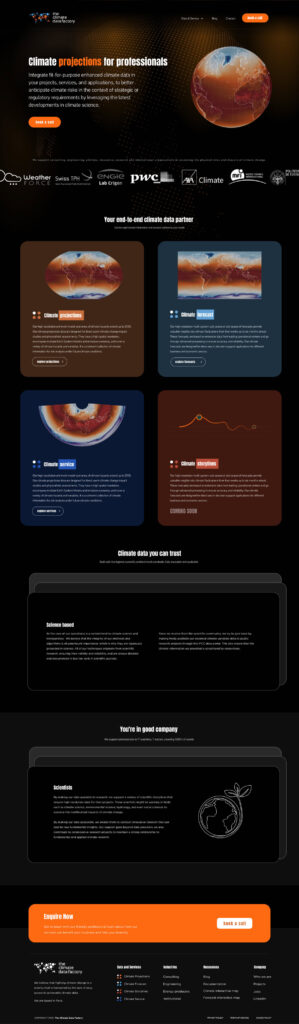
Consistency was equally important. As the platform expanded, typography, cards, calls-to-action, data categories, layouts, spacing, and other UI elements needed to remain recognisable across the entire digital experience.
Content architecture built around the data
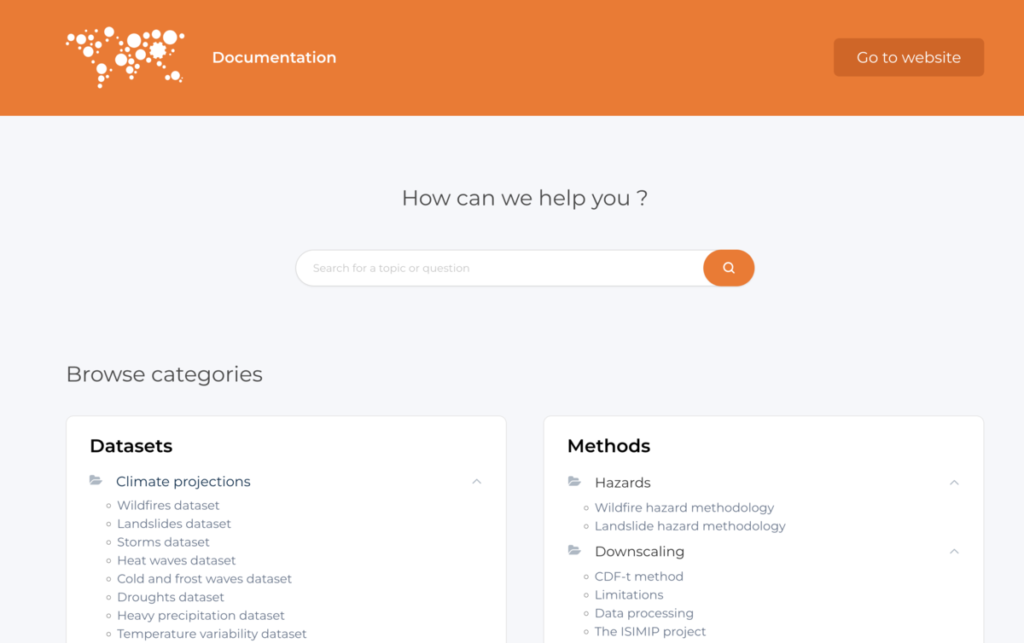
A major part of the project was determining how complex climate information should be organised, connected, and discovered.
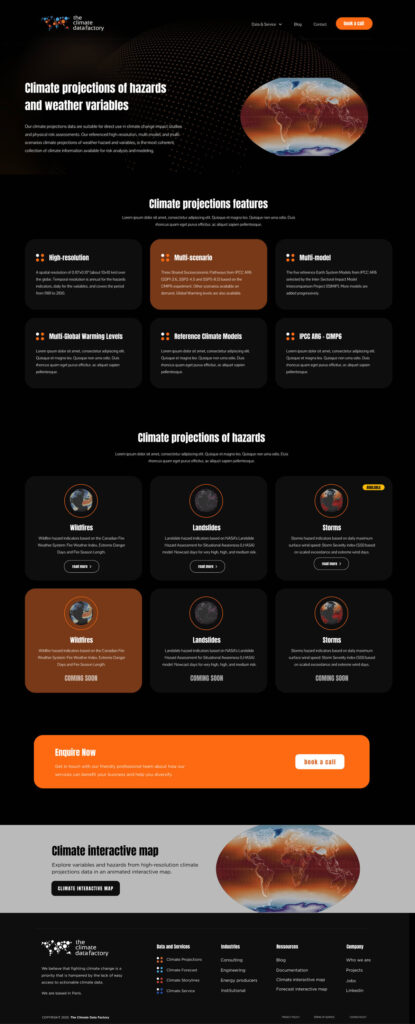
We structured the platform around clear content types and relationships between climate projections, forecasts, hazards, methodologies, documentation, services, and editorial content. This allowed users to move naturally from understanding a service to exploring the underlying datasets and technical documentation.
Rather than treating every page as an isolated piece of content, we created a scalable architecture where information can be categorised, reused, cross-linked, and expanded as new climate products become available.
A reusable design system
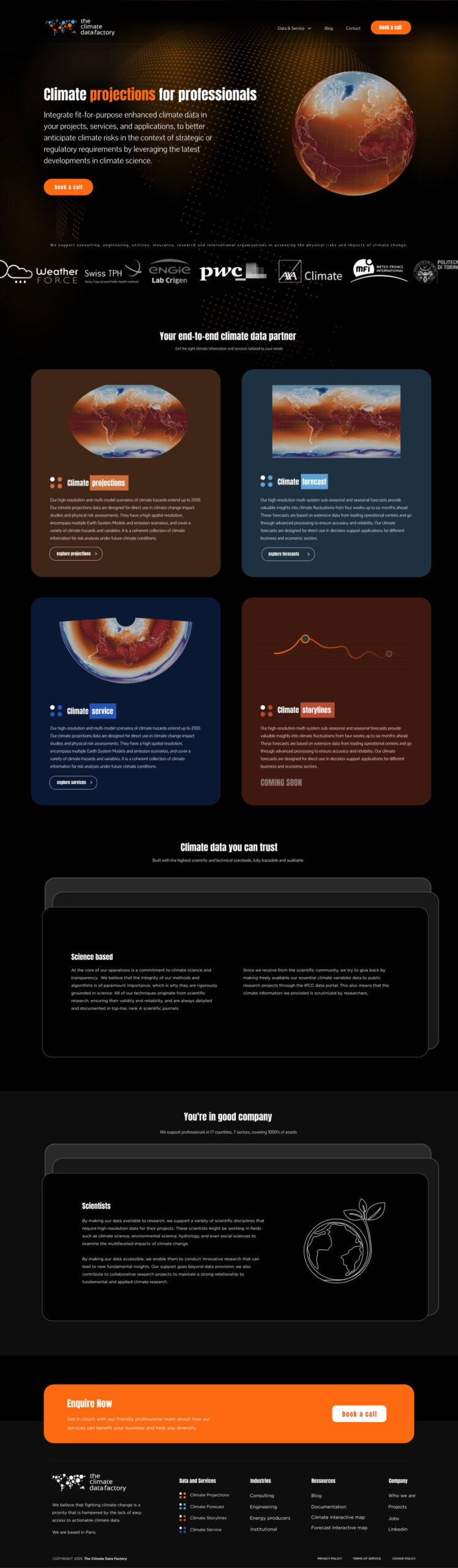
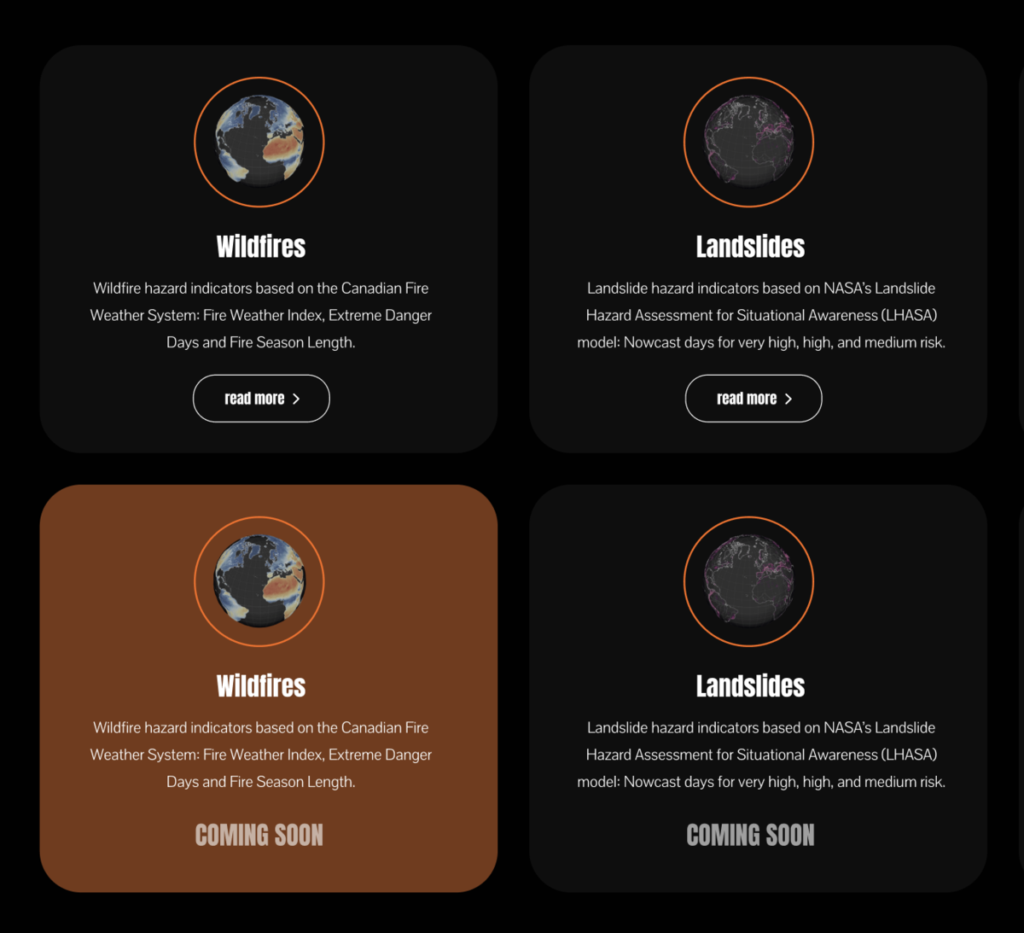
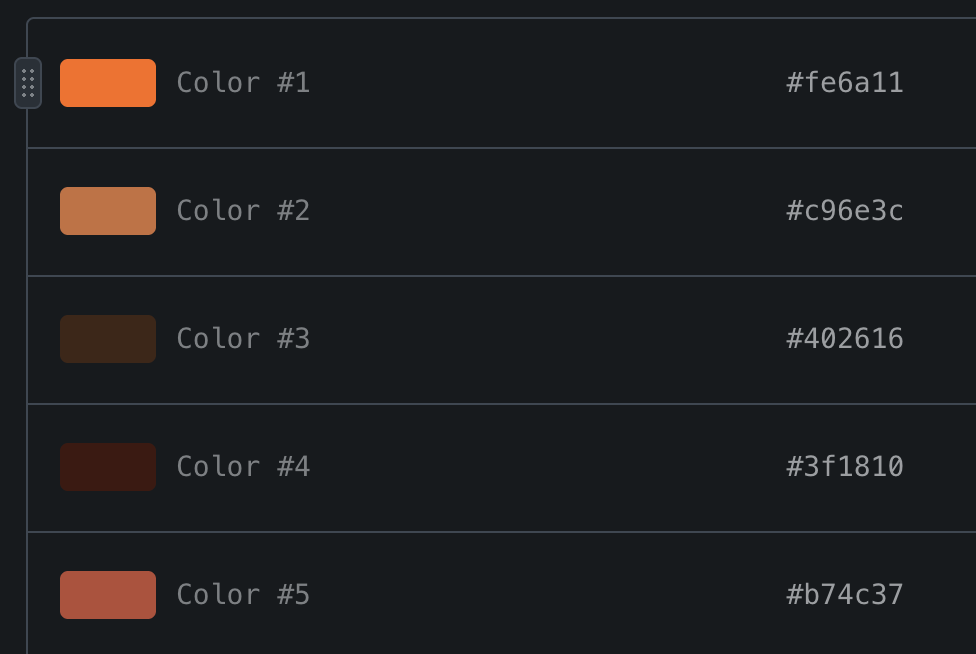
We created the UI around a modular design system rather than a collection of individually designed pages.
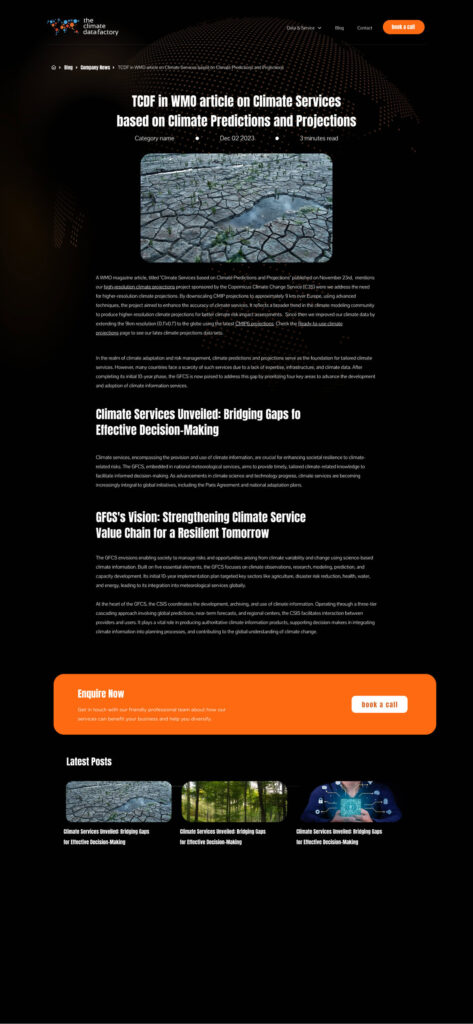
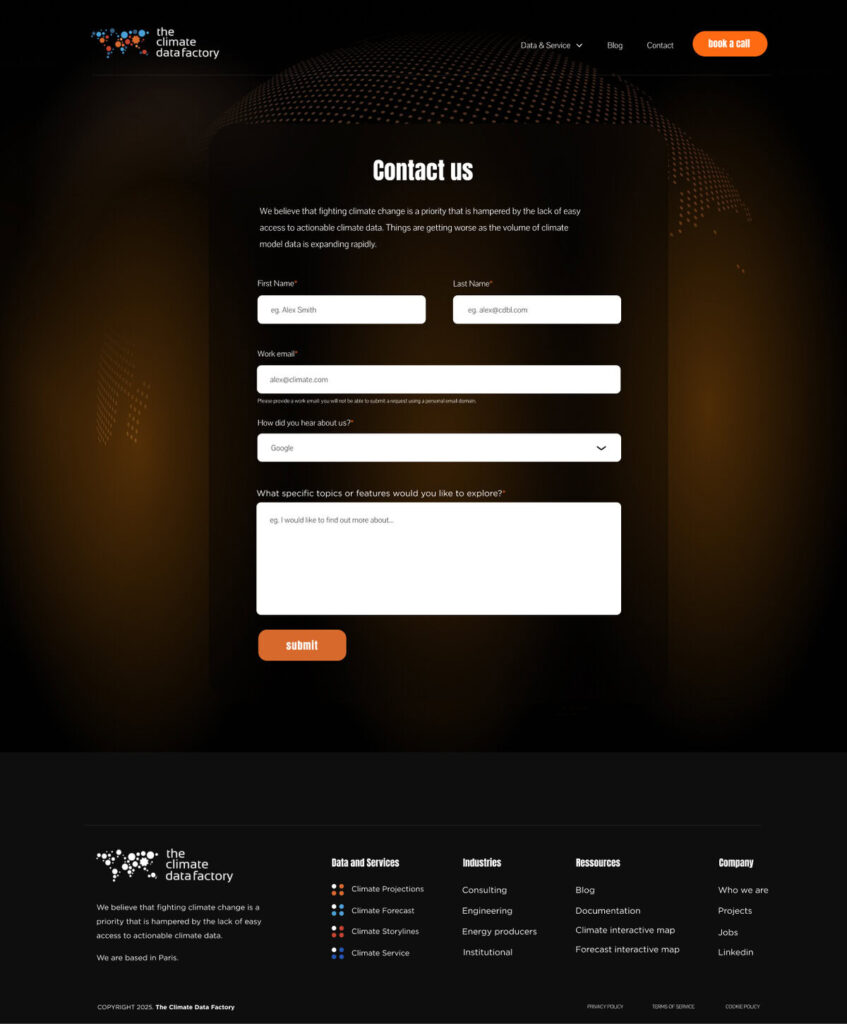
Reusable components—including service cards, dataset cards, content sections, navigation patterns, calls-to-action, forms, article layouts, and content grids—provide the building blocks for the platform.
The system combines the dark visual environment, climate imagery, scientific data visualisations, distinctive typography, and colour-coded services into a consistent visual language.
This component-driven approach makes the website easier to extend while keeping new content aligned with the original design.
From UI to a maintainable platform
We implemented the design into a responsive website, translating the component library into reusable website elements and templates.
Special attention was given to maintaining consistency across very different types of content—from marketing and service pages to articles and technical documentation.
Our work continues beyond the initial launch through ongoing maintenance and technical support, helping the platform remain stable, secure, and maintainable as The Climate Data Factory continues to develop its climate-data products and digital presence.